





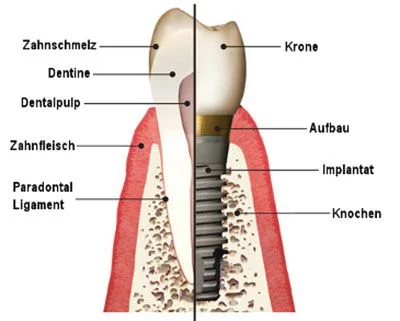
 If you are researching dental implant Hungary, you are probably past the stage of casual browsing. You want clarity. Real numbers. Safe hands. No drama later. Good. That is exactly how implant decisions should be made. Hungary has become one of Europe’s reference points for cross-border implant dentistry. Not because it is cheap. Because it is efficient, experienced, and built around treating international patients every single day. Below you will find practical answers to the questions we hear most often in consultations.
How much does a dental implant cost in Hungary?
Let’s start with the topic everyone looks at first. In Hungary, a high-quality titanium implant placed by an experienced oral surgeon typically ranges between $900 and $1,400, depending on complexity, bone conditions, and the system used. A full tooth replacement (implant + abutment + crown) often costs between $1,300 and $2,100. For patients coming from the USA, the same treatment at home may reach two or even three times this amount. But price alone tells you very little. What really matters is what stands behind it:
- advanced 3D diagnostics
- surgical experience
- prosthetic planning
- laboratory precision
- long-term follow-up
When these elements are organised well, treatment becomes predictable. When they are not, even an expensive implant can fail. The goal is not the lowest number. The goal is the lowest risk.
Is Hungary a good place for dental implants?
In many cases, yes. And there is a reason for that. Hungarian implant centres treat a remarkably high volume of international patients. Surgeons place thousands of implants every year. Complex bone grafting, sinus lifts, full-arch rehabilitations,All-On-4 dental implantation – routine procedures, not rare events. Experience builds calm teams. Calm teams produce stable outcomes. Most established clinics work with globally recognised implant systems, digital imaging (CBCT), guided surgery when needed, and highly trained prosthetic specialists. English and German communication is standard. Travel coordination is part of the workflow. For patients, this means fewer unknowns. You arrive with a plan. You leave knowing what happens next. No surprises. Check the dental implants costs in Hungary
Why is dental prosthetics cheaper in Hungary?
Important question. Because lower prices sometimes create suspicion. Savings in Hungary are mainly structural: 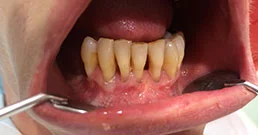
- lower labour costs
- different taxation
- optimised laboratory workflows
- strong competition between specialised clinics
What is usually not reduced: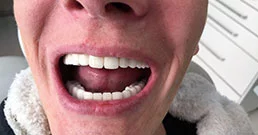
- medical education
- implant quality
- sterilisation standards
- technology
Many implant dentists in Hungary train internationally and attend the same congresses as colleagues in Western Europe or North America. The materials often come from the very same manufacturers. So patients are not buying “cheaper implants”. They are benefiting from a different economic environment.
How long does dental treatment take in Hungary?
Implant therapy is a process, not a weekend procedure. A typical pathway looks like this:
- medical consultation and X-ray evaluation
- first visit: diagnostics, surgery if possible
- healing phase (usually 3–6 months depending on bone biology)
- second visit: final prosthetics
Some situations allow immediate loading or faster solutions. Others require staged regeneration. A responsible clinic will tell you honestly which category you fall into. If someone promises miracles without diagnostics, walk away. Good medicine is rarely rushed.Read more about timeline of tooth implantation
What smart patients check before choosing a clinic
People who end up happy with their implants usually do a few simple things right. They ask for written treatment plans. They want to know the implantat brand. They discuss guarantees.
They understand alternatives. And they pay attention to communication. If answers are clear, structured, and medically grounded, trust grows naturally. If responses are vague, overly sales-driven, or avoid risks – that is a warning sign.
Reducing risk – the part nobody advertises loudly
Even perfectly placed implants require maintenance and cooperation with your dentist at home. Ask before you travel:
- Will I receive full documentation?
- Can my local dentist communicate with you?
- What happens if adjustments are needed later?
Professional providers have clear protocols for this. And that clarity is often more important than price differences.
The premium reality
Here is the honest truth. The best clinics in Hungary are not the cheapest ones. They invest in surgeons, training, digital systems, quality control, and multilingual coordinators. Their calendars are busy. Their workflows are organised. Their teams are permanent. Patients choose them because treatment feels controlled from the first email to the final crown. That sense of structure is what makes people travel.
Where Sopron and Budapest come into the picture
Cities close to Western Europe, especially near the Austrian border, have developed a unique ecosystem for international implant care. Travel is simple. Transfers are routine. Hotels are prepared for dental guests. Budapest adds another advantage: a concentration of specialists, large laboratories, and the ability to manage highly complex rehabilitations under one roof. For many patients, this combination of accessibility and expertise is the real value behind the phrase dental implant Hungary. Get to know our Sopron clinic and dental clinic in Budapest
Your next step
You do not need to decide everything today. Start with information. Most international implant journeys begin with a consultation based on a panoramic X-ray or CBCT. From this, surgeons can already estimate complexity, timing, and realistic costs. Once you see a concrete plan, the decision becomes much easier. Logical. Calm. If you are considering treatment in Hungary, send your image, ask your questions, and evaluate the quality of the response you receive. It will tell you a lot about the place long before you arrive. Read more about the dental implants pros and cons ,and check our implants reviews.
